Understanding the Role of Multimedia in Digital Marketing


The Importance of Multimedia in Digital Marketing
In today's fast-paced digital world, multimedia has become a cornerstone of effective marketing strategies. Businesses are increasingly leveraging various forms of multimedia to captivate and engage their target audiences. From eye-catching visuals to immersive audio, multimedia is redefining how brands communicate.

Enhancing Engagement Through Visual Content
Visual content, such as images and videos, plays a crucial role in grabbing attention and conveying messages quickly. Studies have shown that content with relevant images gets 94% more views than content without. Videos, in particular, have proven to boost engagement rates significantly, making them a preferred choice for marketers.
Videos offer a dynamic way to tell a story or demonstrate a product, creating a more memorable experience for the audience. With platforms like YouTube and Instagram, video marketing has become more accessible, allowing brands to reach a wider audience.
The Power of Audio in Building Brand Loyalty
Audio content, such as podcasts and audio ads, is gaining traction as an effective tool for digital marketing. Podcasts offer an intimate and personal way to connect with audiences, fostering a sense of loyalty and trust. As more consumers listen to content on the go, audio marketing provides an opportunity to reach them in a non-intrusive manner.

Moreover, integrating background music or sound effects in videos can significantly enhance the viewer's emotional connection, making the message more impactful. This can be particularly effective in creating brand recognition and recall.
Interactive Content: Engaging and Educating
Interactive content, such as quizzes, polls, and interactive infographics, encourages active participation from the audience. This type of content not only engages users but also provides valuable insights into consumer preferences and behavior. Interactive content can be a powerful tool for educating potential customers about a product or service.
By offering a more personalized experience, interactive multimedia can help in building a stronger relationship with the audience. It also provides an opportunity for brands to stand out in a crowded digital landscape.
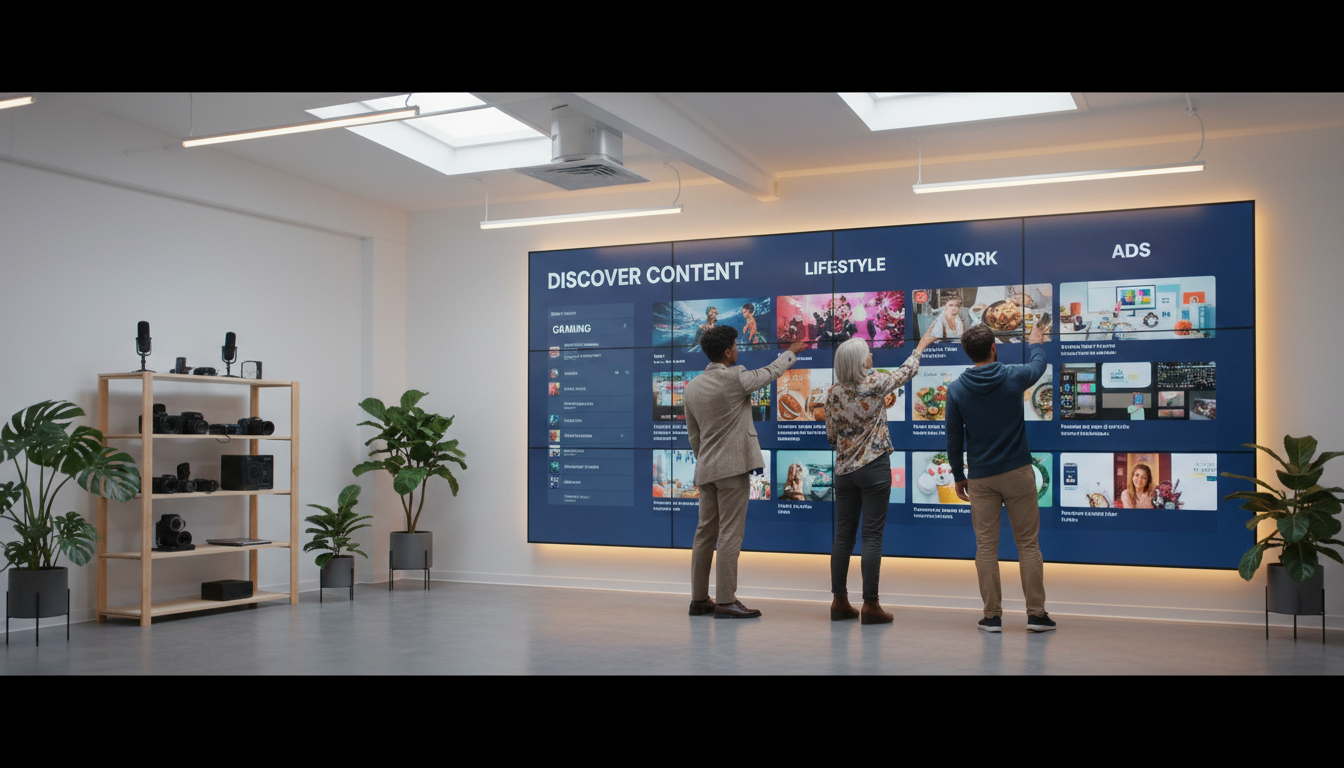
Utilizing AR and VR for Immersive Experiences
Augmented Reality (AR) and Virtual Reality (VR) are revolutionizing the way consumers experience products and services. These technologies allow users to interact with a brand in an immersive environment, providing a unique and engaging experience. For instance, AR can be used for virtual try-ons, giving customers a chance to see how a product looks before making a purchase.
VR, on the other hand, can create entirely new worlds for users to explore, which can be particularly useful for industries like real estate and tourism. By incorporating AR and VR, brands can offer innovative experiences that differentiate them from competitors.
Conclusion: Embracing Multimedia for Future Success
As digital marketing continues to evolve, the role of multimedia will only become more significant. Brands that effectively integrate multimedia into their marketing strategies are likely to see higher engagement, stronger brand loyalty, and increased conversion rates. By embracing the diverse possibilities of multimedia, businesses can create more compelling and memorable experiences for their audiences.