
Understanding the Latest Multimedia Trends in the United States


Introduction to Multimedia Trends
The multimedia landscape in the United States is rapidly evolving, driven by technological advancements and changing consumer preferences. From augmented reality to interactive video content, staying abreast of these trends is crucial for businesses aiming to engage their audiences effectively.
In this blog post, we'll explore the latest multimedia trends that are shaping the digital world. By understanding these trends, businesses can craft more engaging and impactful content strategies.

Augmented Reality (AR) and Virtual Reality (VR)
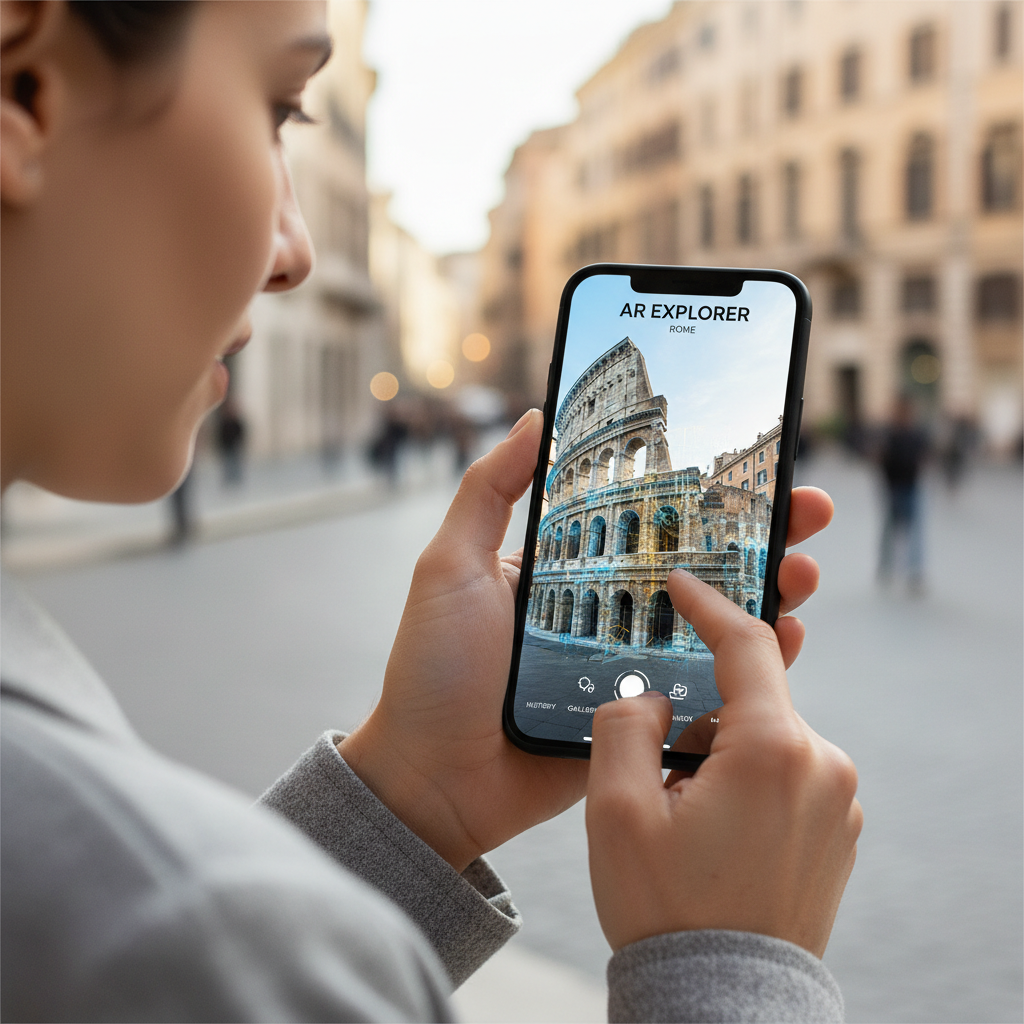
Augmented Reality (AR) and Virtual Reality (VR) have moved beyond the realm of gaming and are now making significant inroads in marketing and advertising. These technologies offer immersive experiences that can captivate audiences in unique ways.
The Rise of AR in Marketing
AR is being used to enhance customer experiences by overlaying digital information on the real world. For example, retail brands are using AR applications to allow customers to visualize products in their homes before making a purchase.
Virtual Reality's Impact on Storytelling
VR is transforming storytelling by offering a 360-degree experience that brings stories to life. Brands are leveraging VR to create deep emotional connections with their audiences, making it a powerful tool for immersive storytelling.
Interactive Video Content
Interactive video content is another trend gaining momentum. Unlike traditional videos, interactive videos allow viewers to engage with the content, leading to a more personalized experience.
Benefits of Interactive Videos
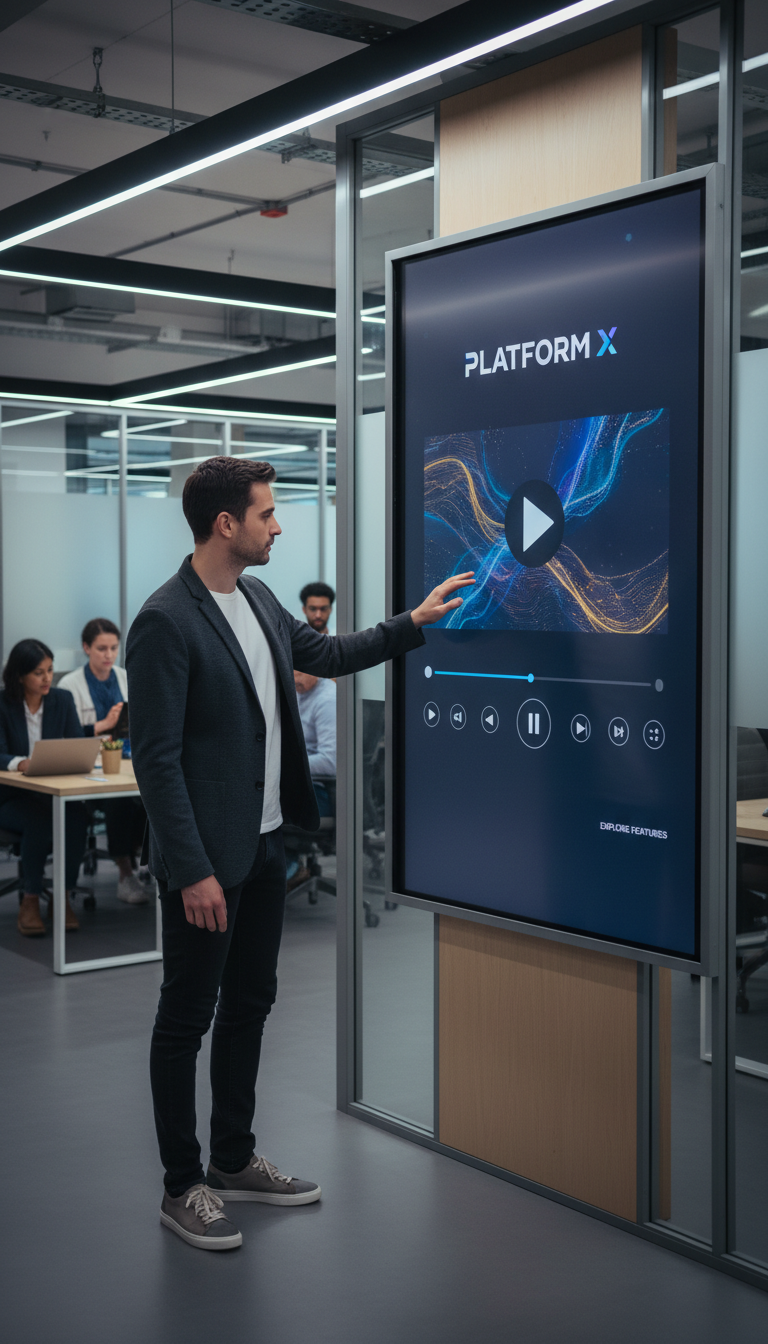
Interactive videos can significantly boost engagement rates by allowing viewers to choose different paths or outcomes. This level of interaction not only keeps audiences engaged but also provides valuable data on user preferences.
Implementing Interactive Elements
Brands can implement interactive elements such as quizzes, polls, and clickable hotspots within videos to enhance viewer interaction. This approach encourages active participation and can lead to higher conversion rates.
Live Streaming and Real-Time Engagement
Live streaming has become a staple in multimedia content, providing real-time engagement opportunities with audiences. Platforms like Instagram, Facebook, and YouTube have made live streaming accessible to businesses of all sizes.
Advantages of Live Streaming
By broadcasting live, brands can connect with their audience in a more authentic and immediate way. This format allows for real-time interaction, making it ideal for Q&A sessions, product launches, and behind-the-scenes content.

Conclusion
The multimedia trends in the United States continue to evolve, offering businesses exciting opportunities to engage with their audiences. By embracing technologies such as AR, VR, interactive videos, and live streaming, brands can create more engaging and memorable experiences.
As these trends develop, staying informed and adaptable will be key to leveraging multimedia content effectively in your marketing strategies.