
Understanding the Impact of Multimedia on Audience Retention


The Role of Multimedia in Modern Communication
In today's digital age, multimedia has become an essential component of effective communication. Whether it's through videos, images, or interactive content, multimedia offers a dynamic way to engage audiences. This interactive approach not only captures attention but also enhances the retention of information, making it a critical tool for marketers and educators alike.
The integration of various media types can significantly enrich the user experience. By combining text, audio, and visuals, creators can deliver complex messages in a more digestible and engaging manner. This multifaceted approach not only caters to different learning styles but also keeps the audience engaged longer.
Why Multimedia Enhances Audience Retention
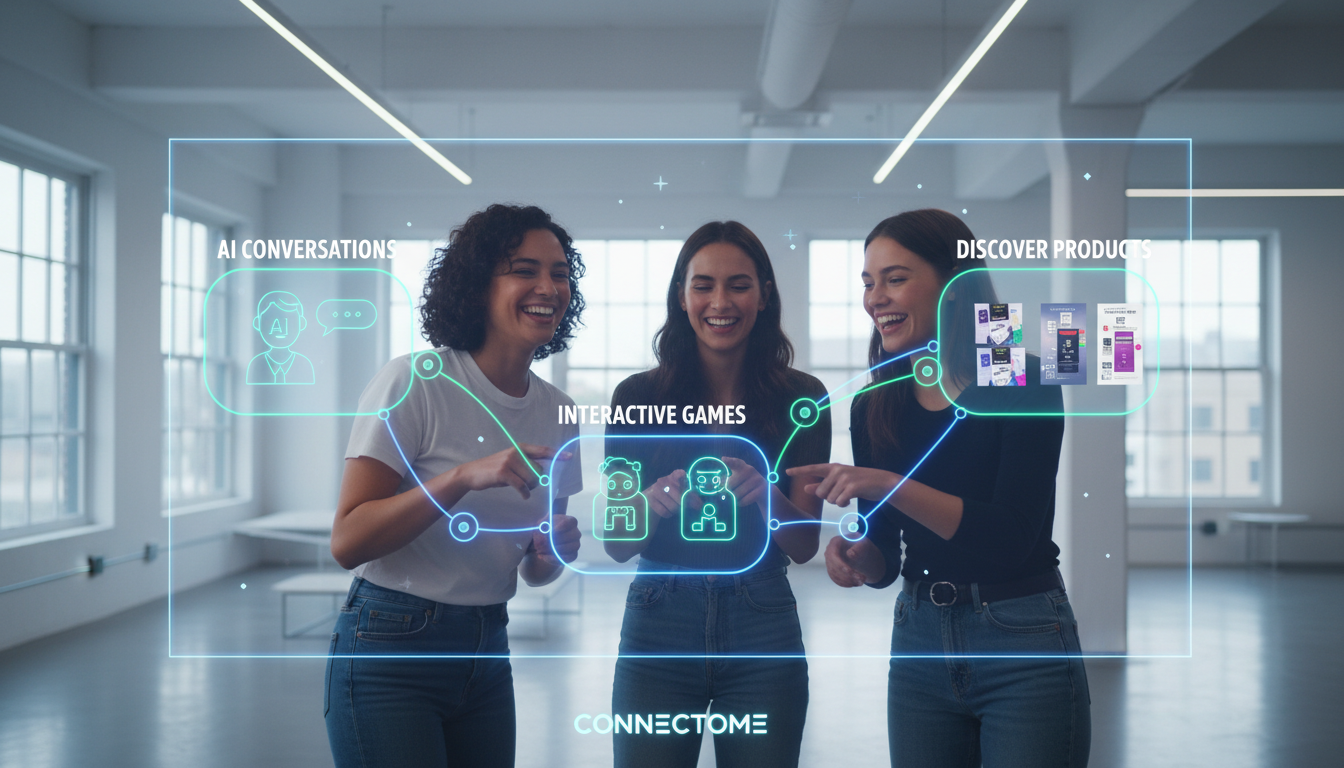
One of the primary reasons multimedia enhances audience retention is its ability to stimulate multiple senses simultaneously. This sensory engagement creates a more immersive experience, which can lead to improved comprehension and memory retention. Studies have shown that combining visual and auditory elements can increase understanding by up to 40% over text alone.
Moreover, multimedia content often encourages active participation. Interactive elements like quizzes, polls, and clickable links can prompt users to engage more deeply with the material, leading to better retention. This interactive engagement is particularly effective in educational contexts, where active learning is key to knowledge retention.
The Psychological Impact of Multimedia
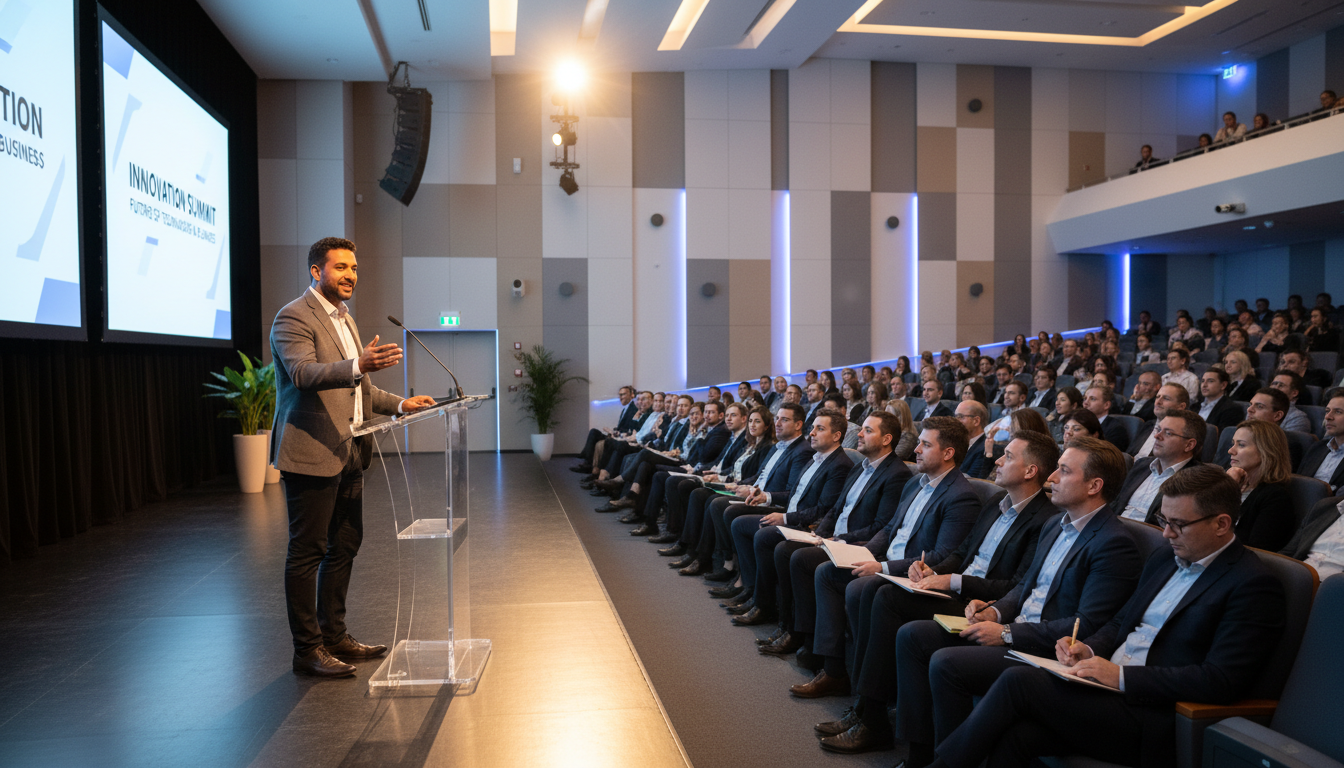
From a psychological standpoint, multimedia leverages the power of storytelling. Visuals and sound can evoke emotions more effectively than text alone, creating a stronger connection with the audience. This emotional engagement can make the content more memorable, encouraging users to return to it or share it with others.
Additionally, multimedia caters to the human preference for visual information. Our brains process visuals 60,000 times faster than text, making images and videos a powerful tool for quick communication. This speed and efficiency can lead to higher retention rates, as audiences are more likely to remember visually presented information.

Best Practices for Implementing Multimedia
To maximize the impact of multimedia on audience retention, it's crucial to follow some best practices. Firstly, ensure the content is relevant and adds value. Irrelevant or excessive multimedia elements can overwhelm and distract rather than engage the audience.
Secondly, maintain a balance between different types of media. A well-structured mix of text, images, and videos can enhance the learning experience without overwhelming the viewer. Consistency in style and tone across media types also helps in maintaining audience interest.

Measuring the Effectiveness of Multimedia
To assess the impact of multimedia on audience retention, it's essential to track relevant metrics. Metrics such as time spent on page, bounce rate, and engagement levels can provide insights into how effectively your multimedia content is performing. Analyzing these metrics helps in refining strategies and optimizing content for better results.
Feedback from the audience can also be invaluable. Surveys and comments can offer direct insights into what works and what doesn't, allowing for continuous improvement in multimedia strategies. Incorporating user feedback ensures that the content remains relevant and engaging to the target audience.
In conclusion, understanding the impact of multimedia on audience retention is vital for anyone looking to communicate effectively in the digital space. By leveraging the unique strengths of multimedia, creators can enhance engagement, improve comprehension, and ensure their messages resonate with audiences.