
Top Trends in Multimedia Design: What You Need to Know


Understanding the Current Landscape
Multimedia design is an ever-evolving field, constantly influenced by technological advancements and cultural shifts. As we approach the end of 2023, several key trends have emerged that are shaping the industry. Staying updated with these trends is crucial for designers who wish to remain relevant and competitive.
Immersive Experiences
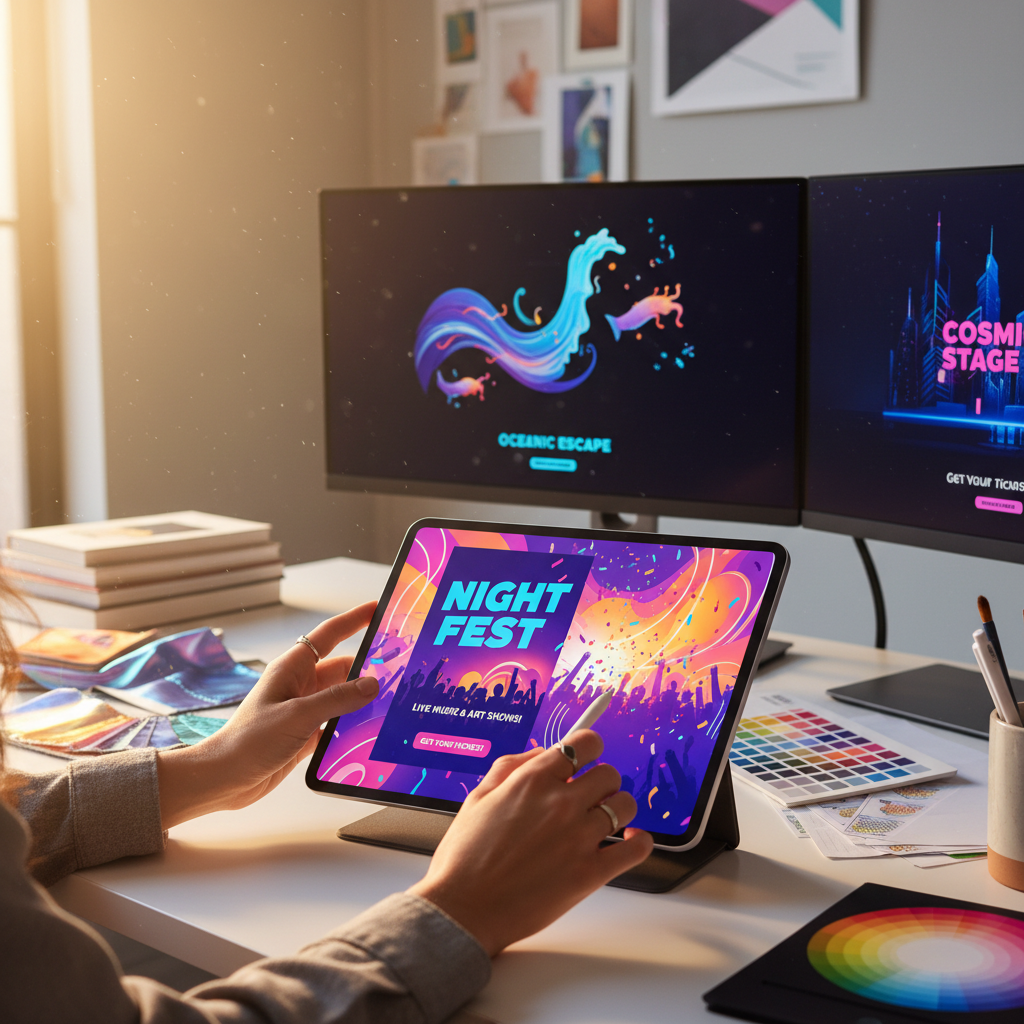
One of the most significant trends is the push towards creating immersive experiences. With the rise of augmented reality (AR) and virtual reality (VR), designers are exploring new ways to engage audiences more deeply. These technologies allow users to interact with digital content in a three-dimensional space, providing a more engaging and memorable experience.
Implementing AR and VR can enhance storytelling by making it more interactive. Brands are now using these tools for everything from virtual tours to immersive brand experiences, transcending traditional media boundaries.
Minimalistic Design
In contrast to the complexity of immersive technologies, minimalistic design remains a strong trend. The focus is on simplicity and functionality, ensuring that the user experience is clean and intuitive. By reducing clutter, designers can emphasize essential content and improve usability.
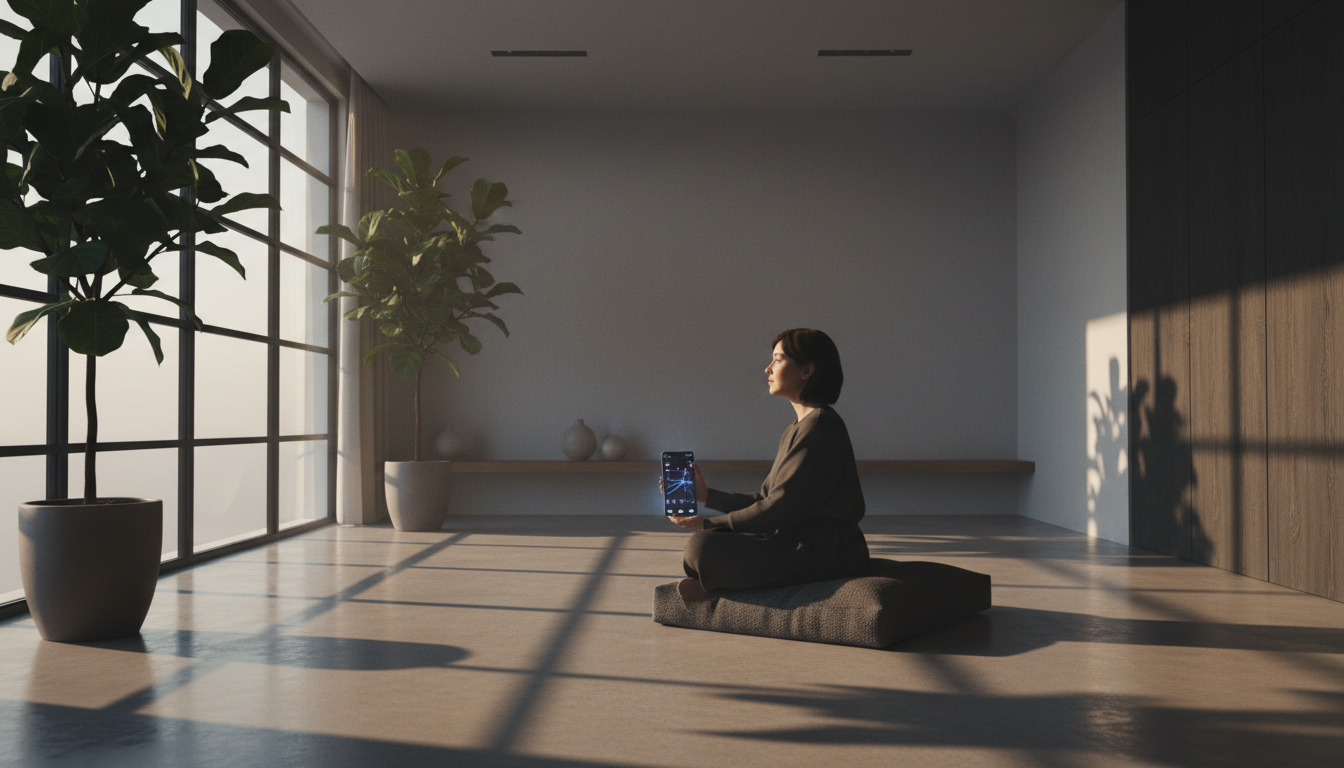
This approach is particularly evident in web and app design, where the emphasis is on speed and performance. A minimalistic design can significantly enhance loading times and user satisfaction, making it a preferred choice for many companies.
Sustainable Design Practices
Sustainability is becoming a central concern in multimedia design. As awareness of environmental issues grows, designers are seeking ways to reduce their carbon footprint. This includes using eco-friendly materials, optimizing digital content for energy efficiency, and promoting sustainable messages through their work.
- Choosing sustainable materials
- Optimizing content for energy efficiency
- Promoting eco-friendly messages

AI and Automation
The integration of AI and automation tools is transforming how designers work. These technologies can automate repetitive tasks, allowing designers to focus on creativity and innovation. AI-driven tools are also enhancing personalization, enabling designers to tailor experiences to individual user preferences.
By leveraging AI, designers can create dynamic and adaptive content that responds to user interactions in real-time, offering a more personalized experience.
Collaborative Design Platforms
With remote work becoming more prevalent, collaborative design platforms are essential. Tools like Figma, Adobe XD, and Sketch are not only enabling teams to work together from different locations but are also fostering real-time collaboration and innovation.
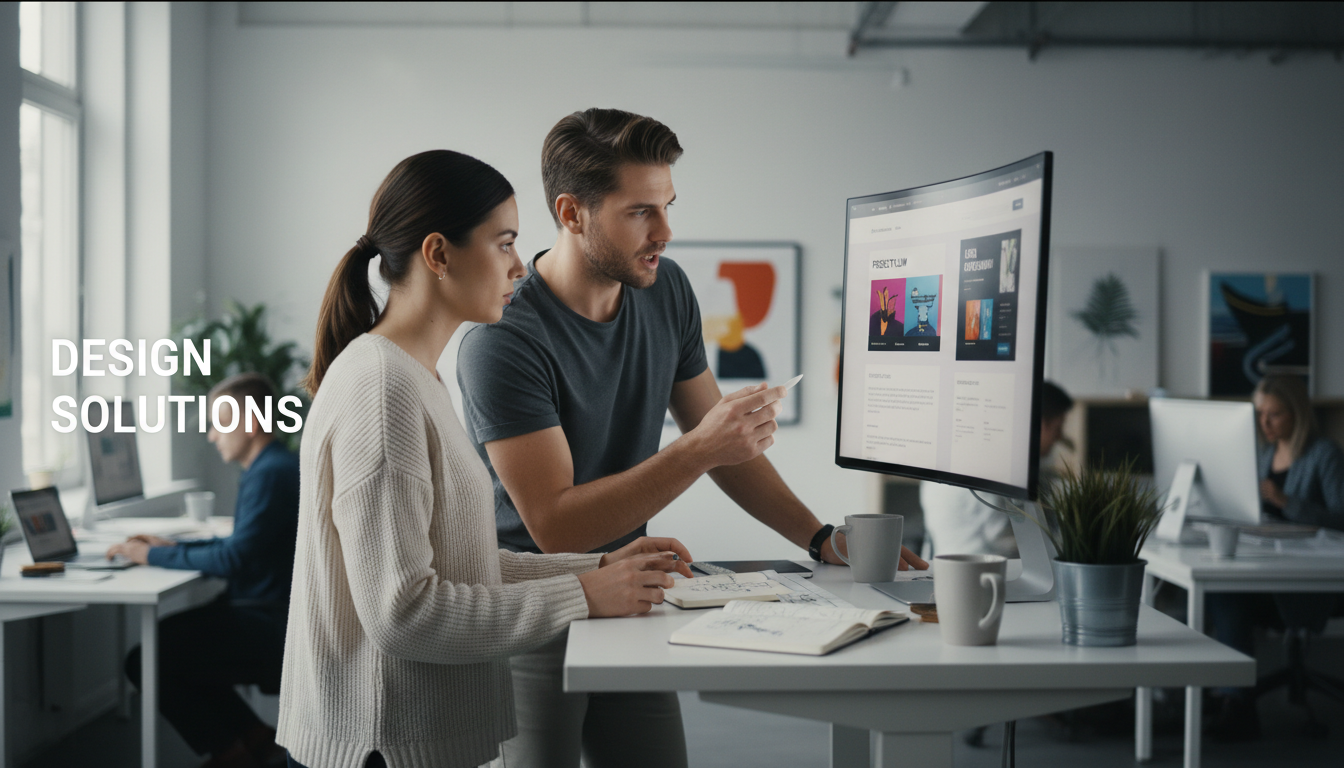
These platforms offer features that facilitate communication and streamline workflows, ensuring that teams can maintain productivity regardless of physical distance.
Conclusion
Staying ahead in the field of multimedia design requires an understanding of these emerging trends. Whether it's embracing new technologies like AR and VR, adopting sustainable practices, or utilizing AI and collaborative platforms, designers must adapt to remain relevant. By keeping pace with these trends, designers can continue to create impactful and engaging content that resonates with audiences worldwide.