
Top Techniques for Stunning Visual Storytelling in Multimedia Projects


In today's digital age, visual storytelling has become a crucial component of multimedia projects. By combining striking visuals with compelling narratives, creators can engage audiences more effectively and convey messages with greater impact. Here, we explore top techniques to elevate your visual storytelling skills.
Understanding Your Audience
Before diving into the creative process, it's essential to understand who your audience is. Knowing their preferences, interests, and behaviors will help tailor your content to resonate with them. This foundational step ensures that your visuals are not only engaging but also relevant.
Consider creating audience personas to guide your storytelling. These personas can help you visualize your typical viewer and craft stories that speak directly to their needs and desires.

Crafting a Compelling Narrative
Developing a Strong Concept
A successful visual story begins with a strong concept. Start by defining the core message you want to convey. What story are you trying to tell? What emotions do you want to evoke? Answering these questions will provide a clear direction for your project.
Storyboarding Your Ideas
Once you have a concept, storyboarding can help you organize your ideas. This step allows you to visualize the flow of your story, ensuring coherence and logical progression. Storyboards also serve as a valuable reference during production, keeping your project on track.
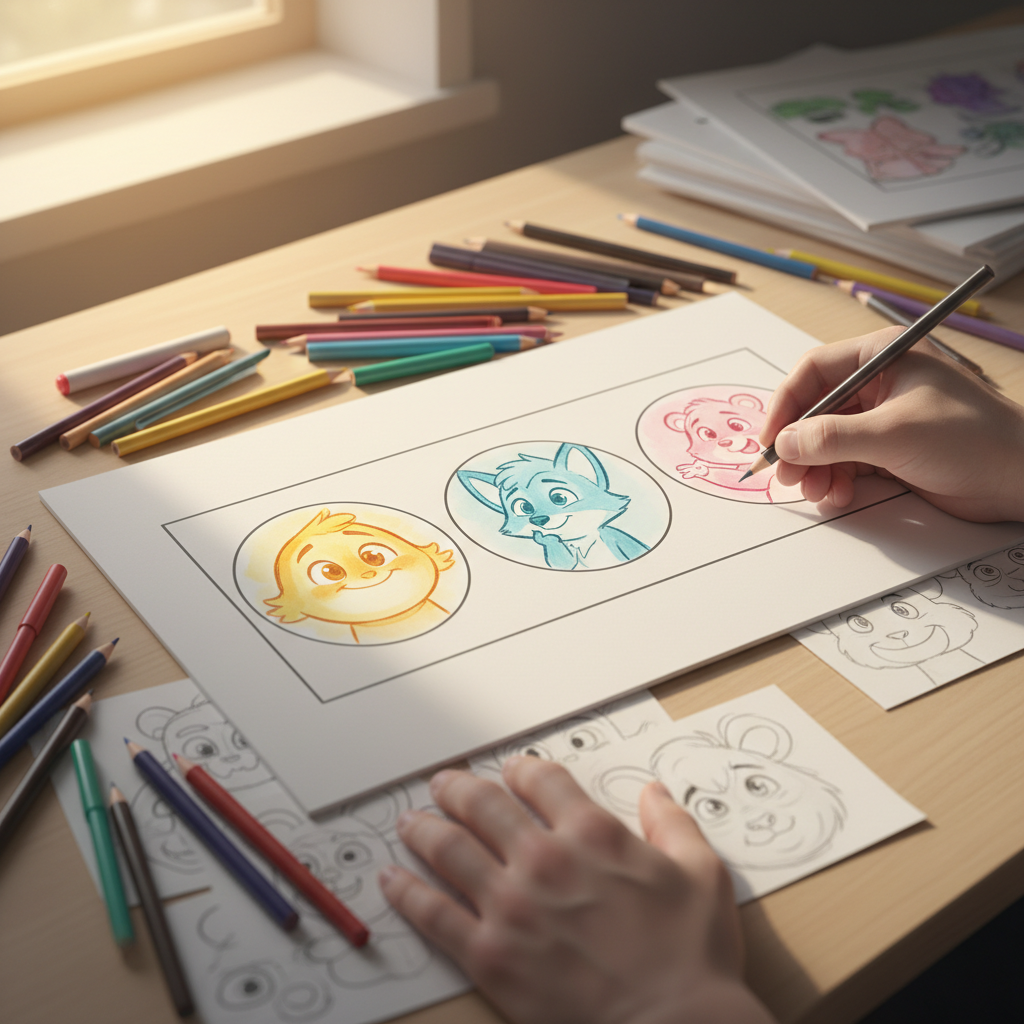
Utilizing Visual Elements
Choosing the Right Imagery
The imagery you choose plays a pivotal role in storytelling. Opt for visuals that align with your narrative and enhance the overall message. High-quality images and videos can captivate your audience and make your story more memorable.
Incorporating Color and Typography
Color and typography are powerful tools in visual storytelling. Colors can evoke emotions and set the tone of your story, while typography can emphasize key points and add personality. Use these elements strategically to create a cohesive and engaging narrative.

Engaging Through Multimedia
Integrating Sound and Music
Sound and music can significantly enhance the emotional depth of your story. A well-chosen soundtrack can evoke feelings and create an atmosphere that complements your visuals. Be mindful of how audio elements align with your narrative to avoid distracting from the main message.
Interactive Elements and Animation
Incorporating interactive elements and animation can make your story more dynamic and engaging. These features allow audiences to participate actively, creating a more immersive experience. Consider using interactive infographics or animated scenes to add depth and interest.

By implementing these techniques, you can create stunning visual stories that captivate and resonate with your audience. Remember, the key to successful visual storytelling lies in blending creativity with strategic planning, ensuring every element serves to enhance your overarching narrative.