
The Ultimate Guide to Multimedia Production: From Concept to Completion


Understanding Multimedia Production
Multimedia production is a dynamic field that combines various forms of content such as text, audio, images, animations, and video to create a cohesive and engaging experience. Whether you're aiming to produce a short film, an advertisement, or an educational video, understanding the fundamentals of multimedia production is essential.
Concept Development
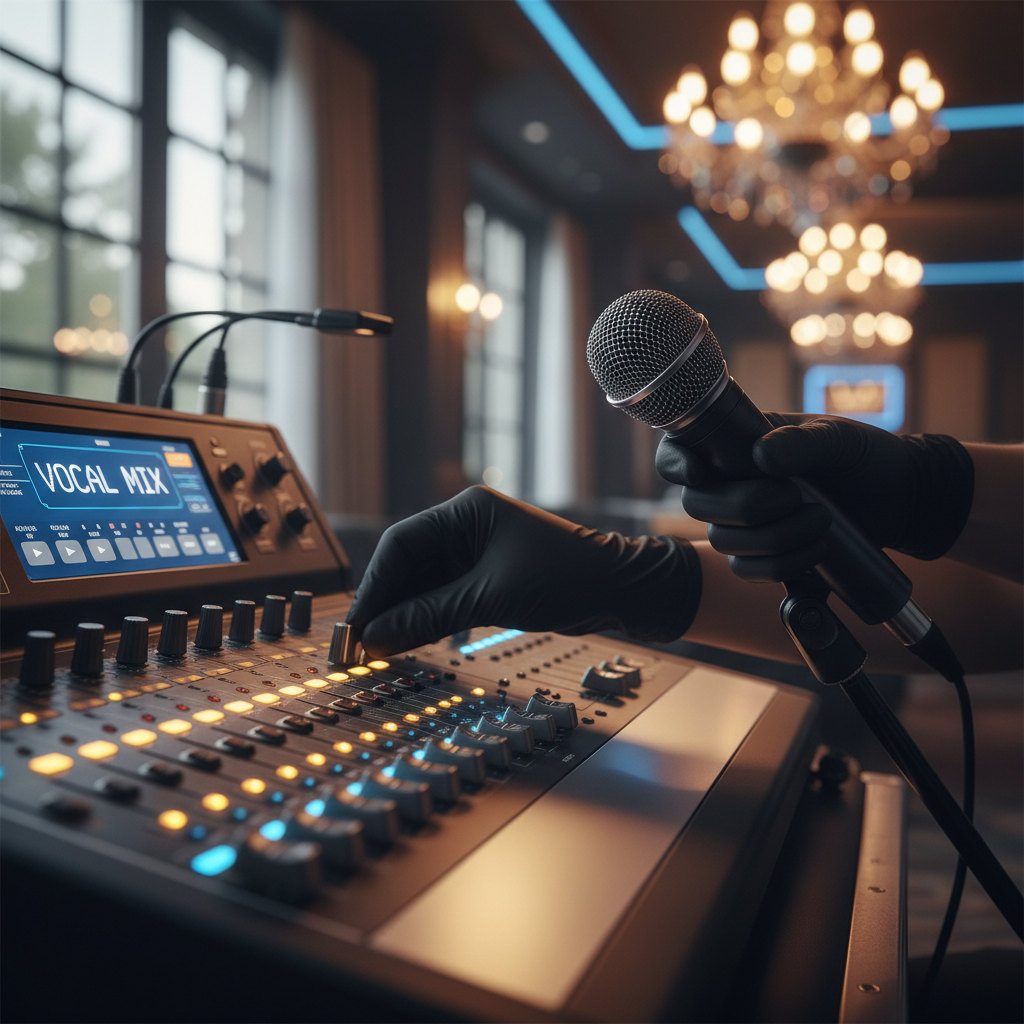
The first step in any successful multimedia project is concept development. This involves brainstorming ideas, identifying the target audience, and defining the project's goals. A well-thought-out concept serves as a roadmap, guiding every decision throughout the production process.
During this phase, you should also consider the platforms where your multimedia content will be distributed, as this can influence format and style choices. Engaging with your audience early on can also provide valuable insights.
Pre-Production Planning
Pre-production is all about meticulous planning. This stage includes scriptwriting, storyboarding, location scouting, and assembling your team. It's crucial to create a detailed timeline and budget to ensure that the project stays on track.
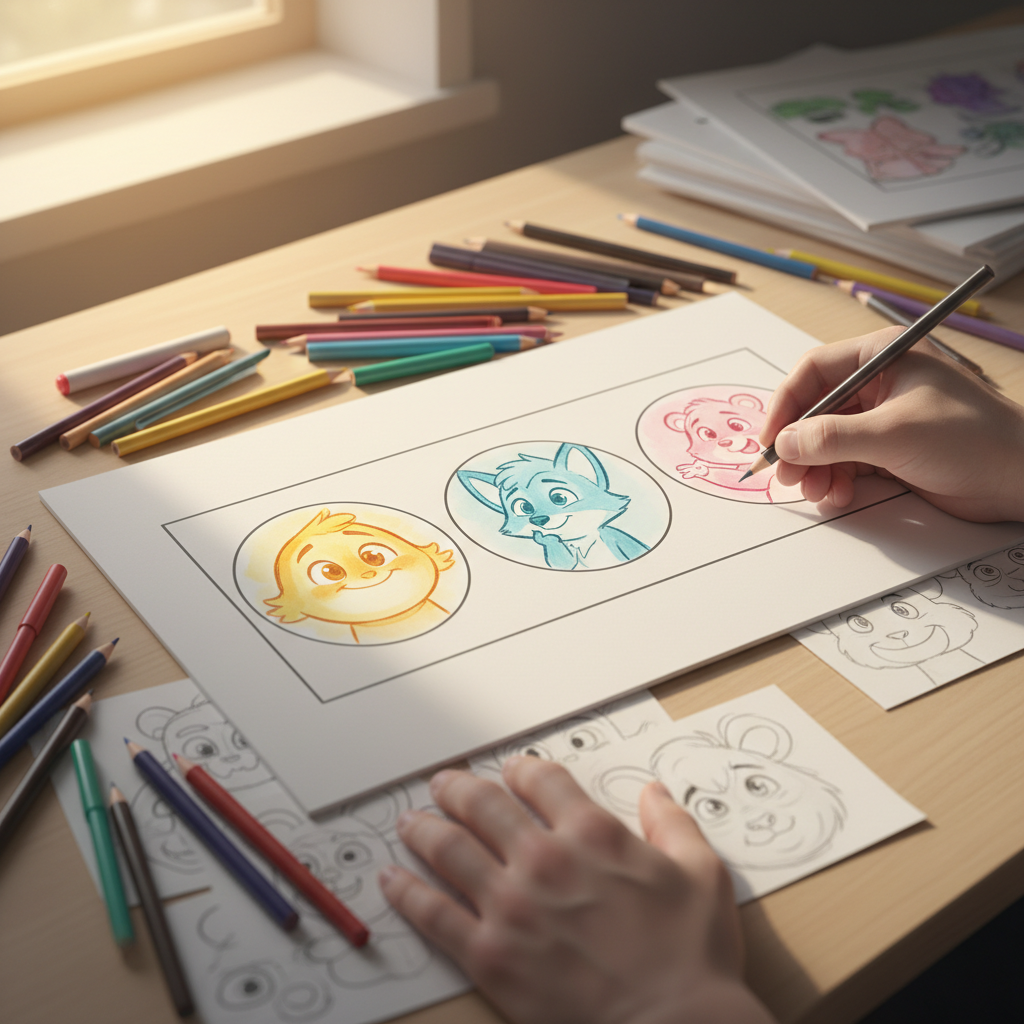
Storyboarding is particularly important as it provides a visual outline of your project. It helps in identifying potential challenges and ensures that everyone involved has a clear understanding of the vision.
Production
The production phase is where the magic happens. This is the stage where all your planning materializes into tangible content. Depending on the project, this could involve filming, photography, recording audio, or creating animations.
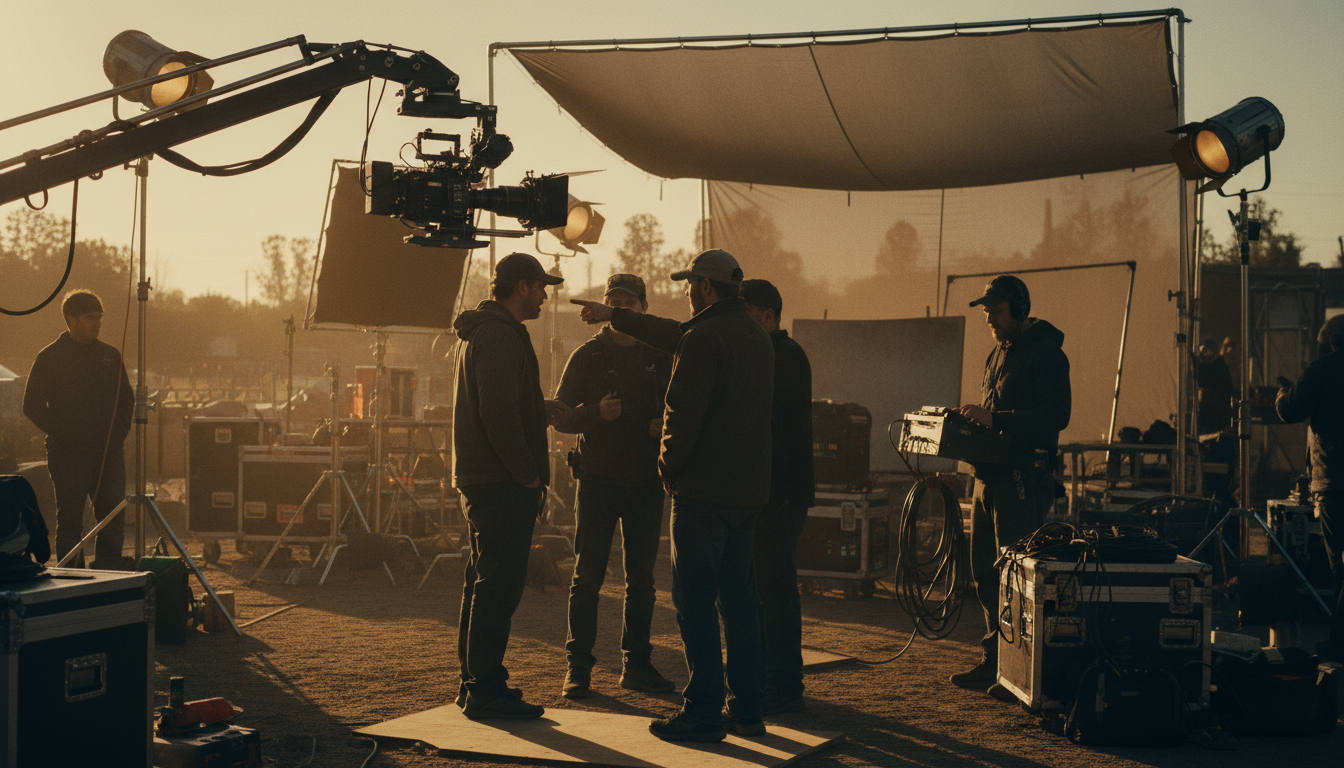
During production, it's important to maintain flexibility. Unforeseen challenges often arise, and being able to adapt quickly can make a significant difference. Ensure that you have all necessary equipment and backup plans in place.
Post-Production
Once you have all the raw materials, the next step is post-production. This phase includes editing, adding special effects, sound design, and finalizing the product. The goal is to refine the content to ensure it aligns with the initial concept and meets quality standards.
Editing software varies widely, so choose tools that best suit your project's needs. Collaboration with editors and sound designers can enhance the final product significantly.
Distribution and Marketing
After completing the project, the final step is distribution and marketing. This involves choosing the right platforms for your content, whether it's social media, television, or streaming services. Each platform has its own set of requirements and audience expectations.
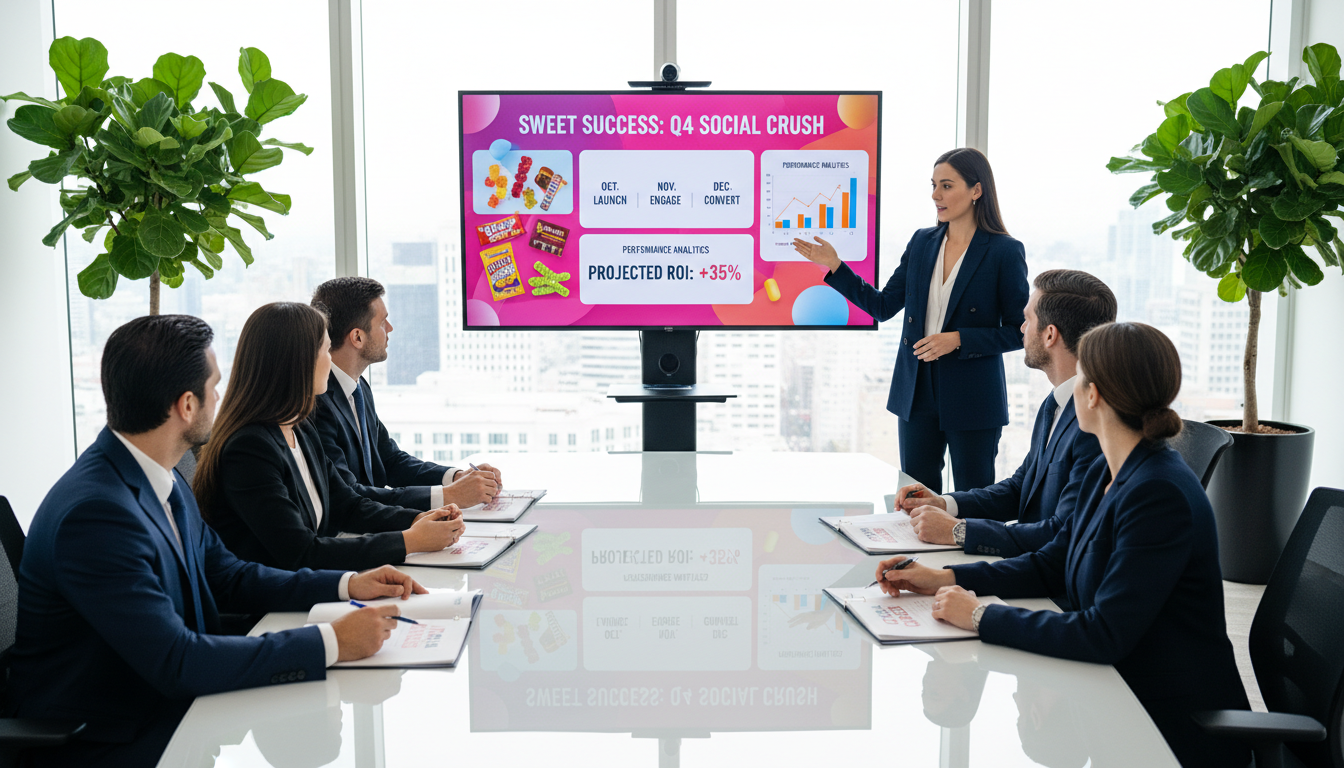
Effective marketing strategies are crucial to maximize reach and engagement. Consider leveraging SEO, social media campaigns, and partnerships to promote your content. Analyzing audience feedback post-release can also provide valuable insights for future projects.
By following these steps, you can navigate the complex world of multimedia production and bring your creative visions to life. Remember, the key to success is a combination of planning, creativity, and adaptability.