
The Ultimate Guide to Multimedia Production: From Concept to Completion


In the fast-paced digital world, multimedia production has become a cornerstone for engaging content. Whether you're a seasoned professional or a newcomer, understanding the process from concept to completion is crucial for success. This guide will provide you with the necessary steps to create compelling multimedia content.
Conceptualization
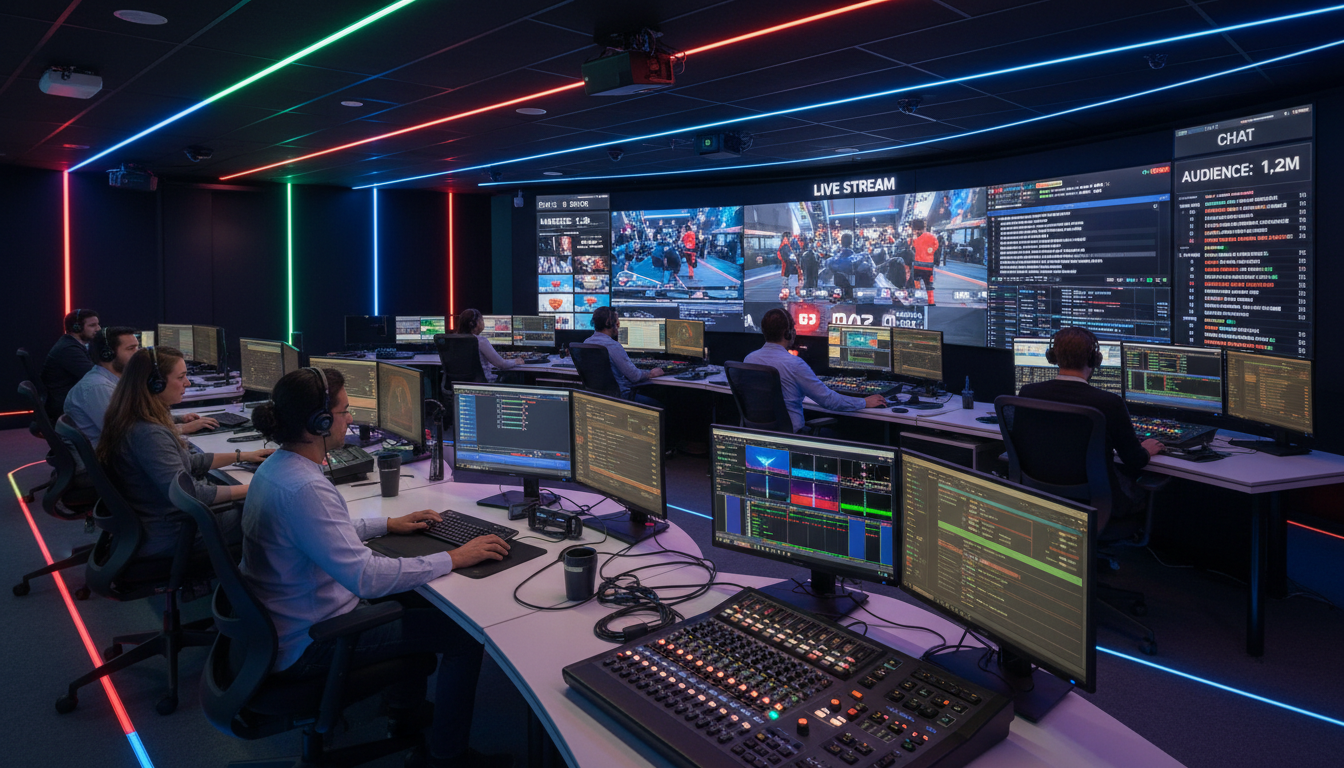
The first step in multimedia production is conceptualization. This is where ideas are born and developed into workable concepts. Begin by identifying your target audience and the message you want to convey. Brainstorm ideas and choose one that aligns with your goals and audience interests.
Research and Planning
Once you have a concept in place, conduct thorough research to gather information and insights. This will help you refine your idea and ensure it resonates with your audience. Create a detailed plan outlining the scope, objectives, and timeline of the project. A well-thought-out plan sets the foundation for a successful production.

Pre-Production
Pre-production involves organizing all the elements needed for the project. This stage includes scripting, storyboarding, and scheduling. A script serves as a blueprint, dictating what will happen and what will be said. Storyboarding helps visualize the sequence of events, ensuring a smooth flow of content.
Assemble Your Team
Building the right team is crucial. Depending on the complexity of your project, you may need writers, directors, camera operators, editors, and graphic designers. Clearly define roles and responsibilities to avoid confusion and ensure everyone is aligned with the project vision.

Production
With everything in place, it's time to bring your vision to life. During the production phase, focus on capturing high-quality audio and video. Pay attention to lighting, sound, and camera angles to enhance the visual appeal. Be prepared for unexpected challenges and have contingency plans ready.
Post-Production
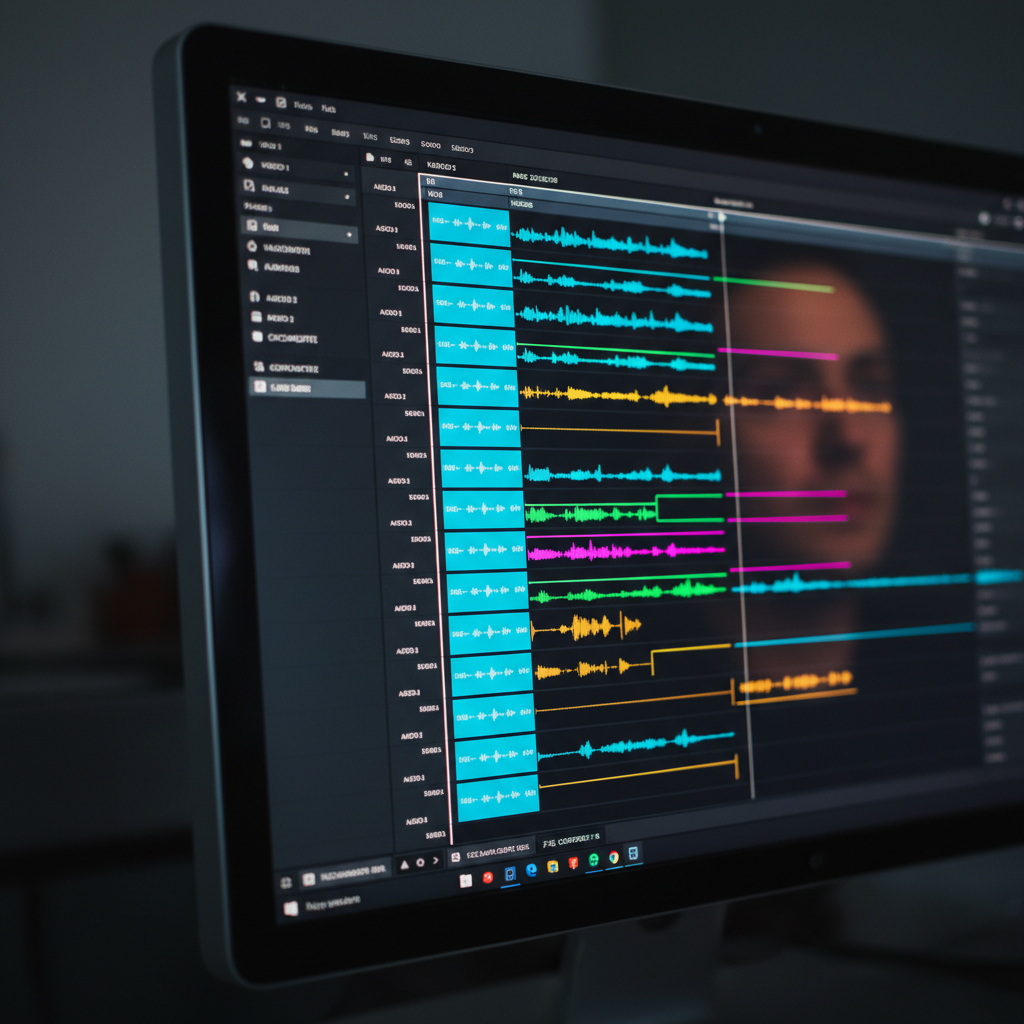
Post-production is where the magic happens. Editing is a critical step that involves assembling the footage, adding music, sound effects, and visual effects. Use editing software to refine the content, ensuring it aligns with your original vision and maintains a cohesive narrative.
Completion and Distribution
Once your multimedia project is complete, the next step is distribution. Choose the right platforms to reach your target audience effectively. Whether it's social media, streaming services, or traditional media, ensure your content is accessible and engaging.
Feedback and Evaluation
After distribution, gather feedback to evaluate the success of your project. Analyze metrics such as views, engagement, and audience feedback to identify areas for improvement. Continuous evaluation helps refine your skills and improve future productions.
By following this comprehensive guide, you'll be well-equipped to tackle multimedia production projects with confidence and creativity, transforming your ideas into impactful visual stories.