
The Art of Multimedia Storytelling: Transforming Ideas into Impactful Visuals


The Power of Multimedia Storytelling
In today's digital age, storytelling has evolved far beyond traditional narratives. The integration of multimedia elements has transformed the way we convey stories, allowing creators to engage audiences on multiple sensory levels. This approach not only enhances the storytelling experience but also leaves a lasting impact on viewers.
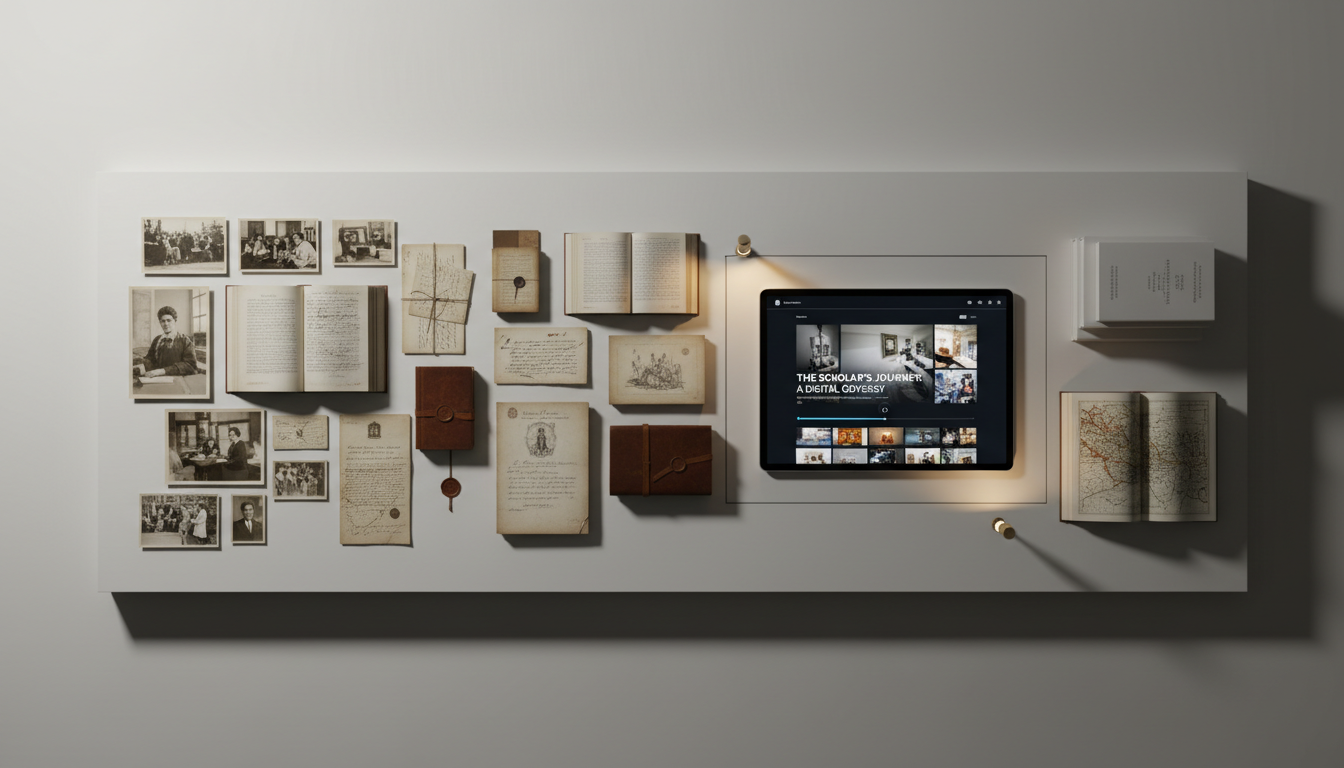
Multimedia storytelling combines text, images, audio, and video to create a cohesive narrative. By leveraging these elements, storytellers can craft immersive experiences that resonate more deeply with their audience. Whether it's a documentary, a marketing campaign, or a personal project, multimedia storytelling offers endless possibilities for creativity and engagement.
Building a Strong Narrative Foundation
A successful multimedia story begins with a solid narrative foundation. This involves identifying the core message or theme you want to convey. Once established, this core message acts as a guide, ensuring all multimedia elements align to support and enhance the story.
Consider using a storytelling arc to structure your narrative. This might include an introduction, rising action, climax, falling action, and resolution. By following this structure, you ensure that your story has a natural flow, keeping your audience engaged from start to finish.
Integrating Visuals Effectively
Visuals play a crucial role in multimedia storytelling. They not only capture attention but also provide context and emotion that words alone may not convey. When selecting images or video clips, ensure they align with your narrative and enhance the story rather than distract from it.
Here are some tips for integrating visuals effectively:
- Choose high-quality images that resonate with your story's theme.
- Use video clips to illustrate key points or transitions in the narrative.
- Incorporate graphics or animations to explain complex concepts visually.
Enhancing Engagement with Audio
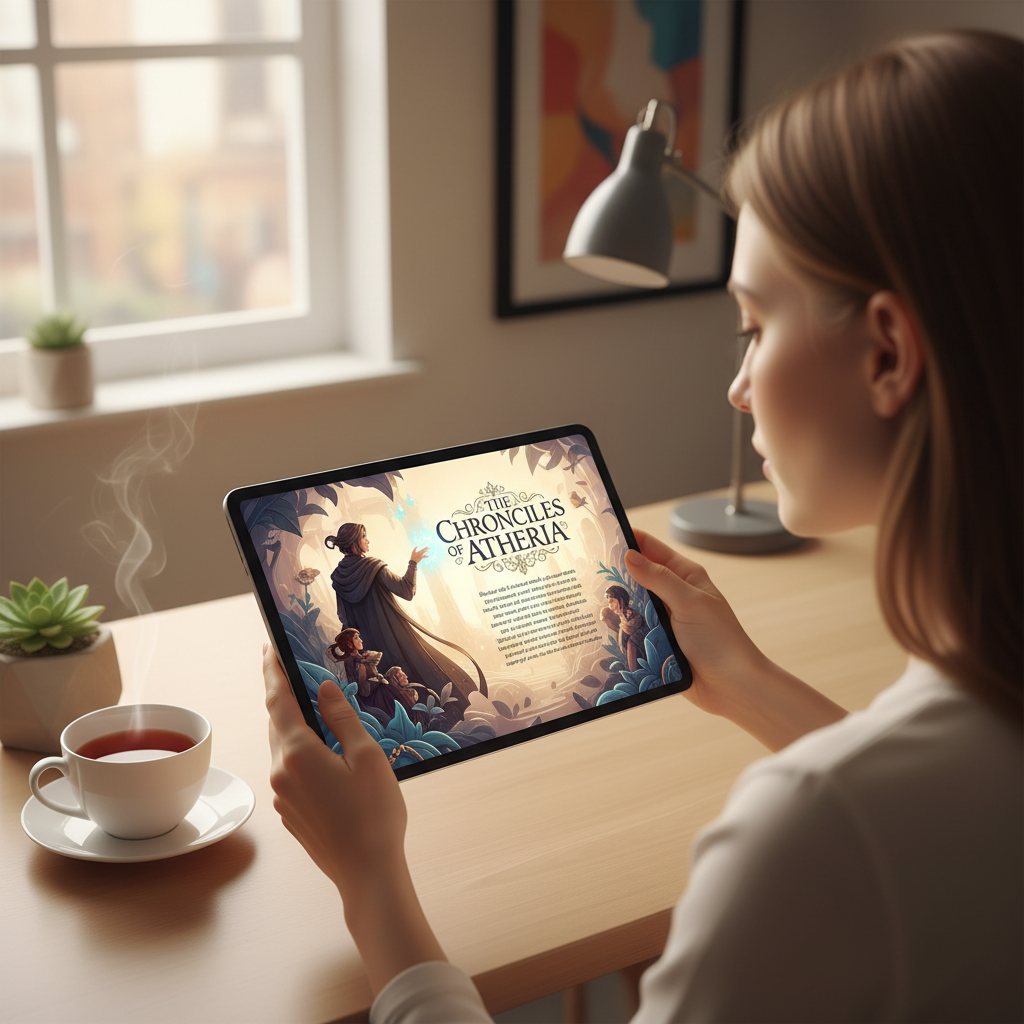
Audio elements, such as music and sound effects, add another layer of depth to multimedia storytelling. The right soundtrack can evoke emotions and set the tone for your narrative. Additionally, voiceovers can provide clarity and personalization to your story.
When selecting audio elements, consider the mood and pacing of your story. A well-timed sound effect or piece of music can make a significant difference in how your audience perceives and remembers your narrative.
Measuring the Impact
Once your multimedia story is complete, it's important to measure its impact. This can be done through audience feedback, engagement metrics, and social media interactions. Understanding how your audience responds to your story helps refine future projects and ensures your storytelling continues to evolve.

In conclusion, the art of multimedia storytelling is a dynamic and powerful way to transform ideas into impactful visuals. By thoughtfully integrating text, images, audio, and video, storytellers can create immersive experiences that captivate and inspire audiences worldwide. Embrace the possibilities and watch your stories come to life in ways you never imagined.