
Expert Insights: The Future of Multimedia in Digital Marketing


The Evolution of Multimedia in Digital Marketing
The landscape of digital marketing is constantly evolving, and multimedia has become an integral component of this transformation. With new technologies emerging, businesses are finding innovative ways to engage their audiences. From interactive videos to immersive augmented reality experiences, multimedia is reshaping how brands connect with consumers.

The Rise of Video Content
Video content has rapidly gained traction as a powerful tool in digital marketing. Platforms like YouTube, TikTok, and Instagram are driving this growth, offering brands new avenues to capture attention. Videos are not only engaging but also versatile, allowing businesses to showcase products, tell stories, and provide valuable information in an easily digestible format.
According to recent studies, consumers are more likely to retain information from videos compared to text. This highlights the importance of incorporating video content into marketing strategies. Brands that leverage this medium effectively can expect to see increased engagement and higher conversion rates.
Augmented Reality and Virtual Reality
Augmented Reality (AR) and Virtual Reality (VR) are no longer just futuristic concepts but are now practical tools for marketers. These technologies offer unique ways to create immersive experiences that captivate audiences. For instance, AR allows consumers to visualize products in their own environment, enhancing the shopping experience.
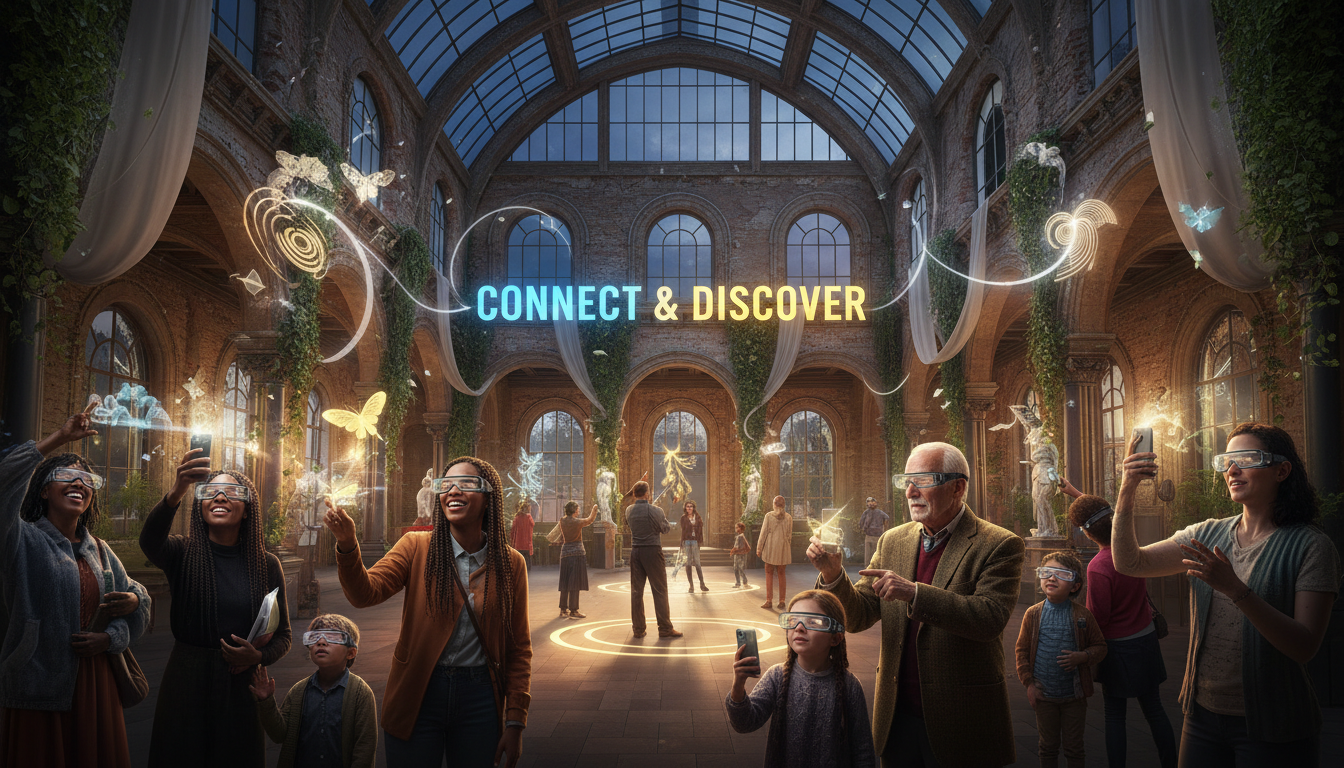
VR, on the other hand, provides a fully immersive experience, transporting users to different worlds. This can be particularly effective for industries such as real estate, travel, and entertainment. By adopting AR and VR, brands can differentiate themselves in a crowded market and provide memorable interactions with their audience.
Interactive Content
Interactive content is gaining momentum as consumers seek more engaging and personalized experiences. Quizzes, polls, and interactive infographics allow users to actively participate, making the content more memorable. This type of content not only boosts engagement but also provides valuable data on consumer preferences and behaviors.
Brands that utilize interactive content can foster deeper connections with their audience, encouraging them to spend more time on their platforms. This increased interaction often translates into higher brand loyalty and customer retention.
The Importance of Analytics
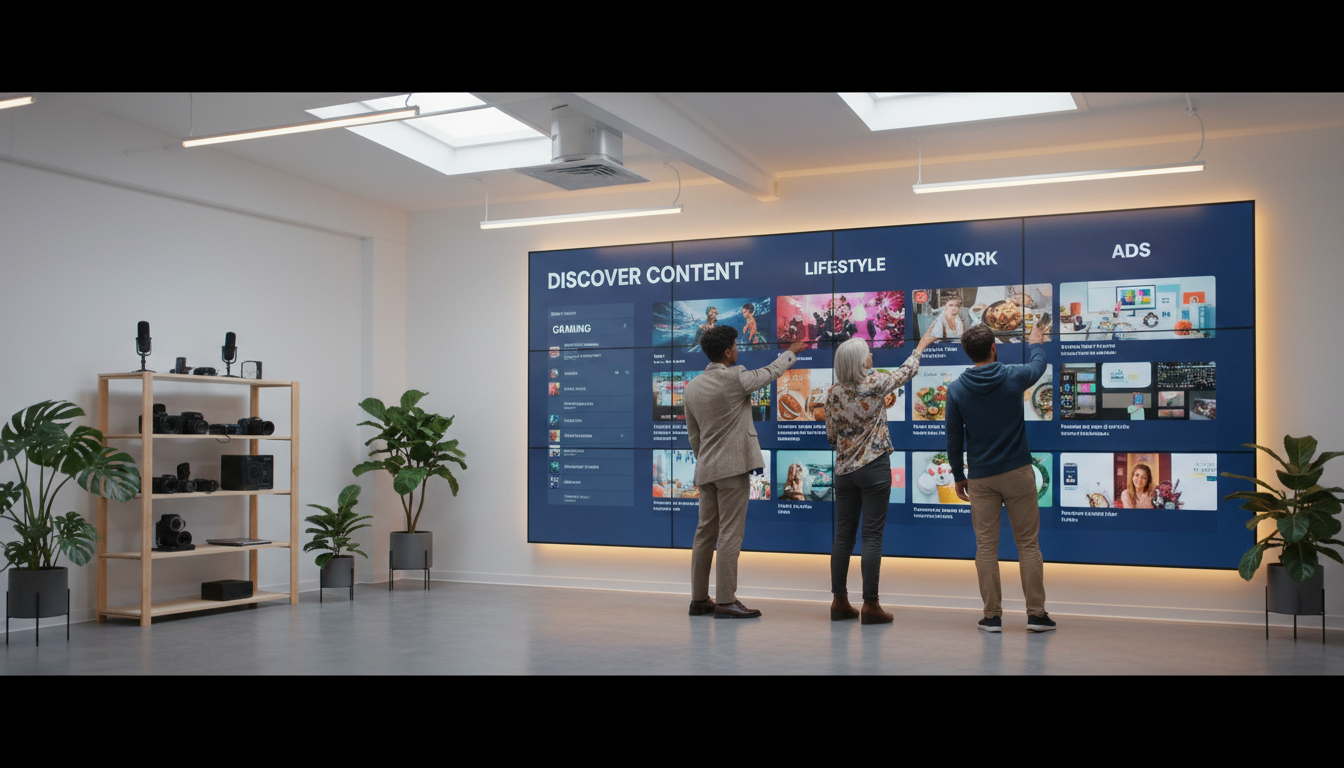
As multimedia continues to evolve, the role of analytics in digital marketing becomes increasingly crucial. Understanding how consumers interact with content allows brands to tailor their strategies for maximum impact. Advanced analytics tools provide insights into which types of multimedia resonate most with audiences and how they influence purchasing decisions.
By leveraging these insights, businesses can optimize their multimedia content, ensuring it aligns with consumer preferences and enhances the overall marketing strategy. This data-driven approach is essential for staying competitive in the ever-changing digital landscape.
Conclusion
The future of multimedia in digital marketing is bright, with endless possibilities for innovation and engagement. As technology continues to advance, marketers must stay ahead of trends and adapt their strategies to meet evolving consumer expectations. By embracing the latest multimedia tools and techniques, brands can create impactful experiences that resonate with their audiences and drive success.