
Comprehensive Guide to Multimedia Production: From Concept to Delivery


Introduction to Multimedia Production
Multimedia production is a dynamic field that blends various forms of media to create compelling content. It encompasses a range of elements, including video, audio, graphics, and text, aimed at engaging audiences across platforms. Understanding the intricacies of multimedia production is crucial for anyone looking to excel in this creative industry.
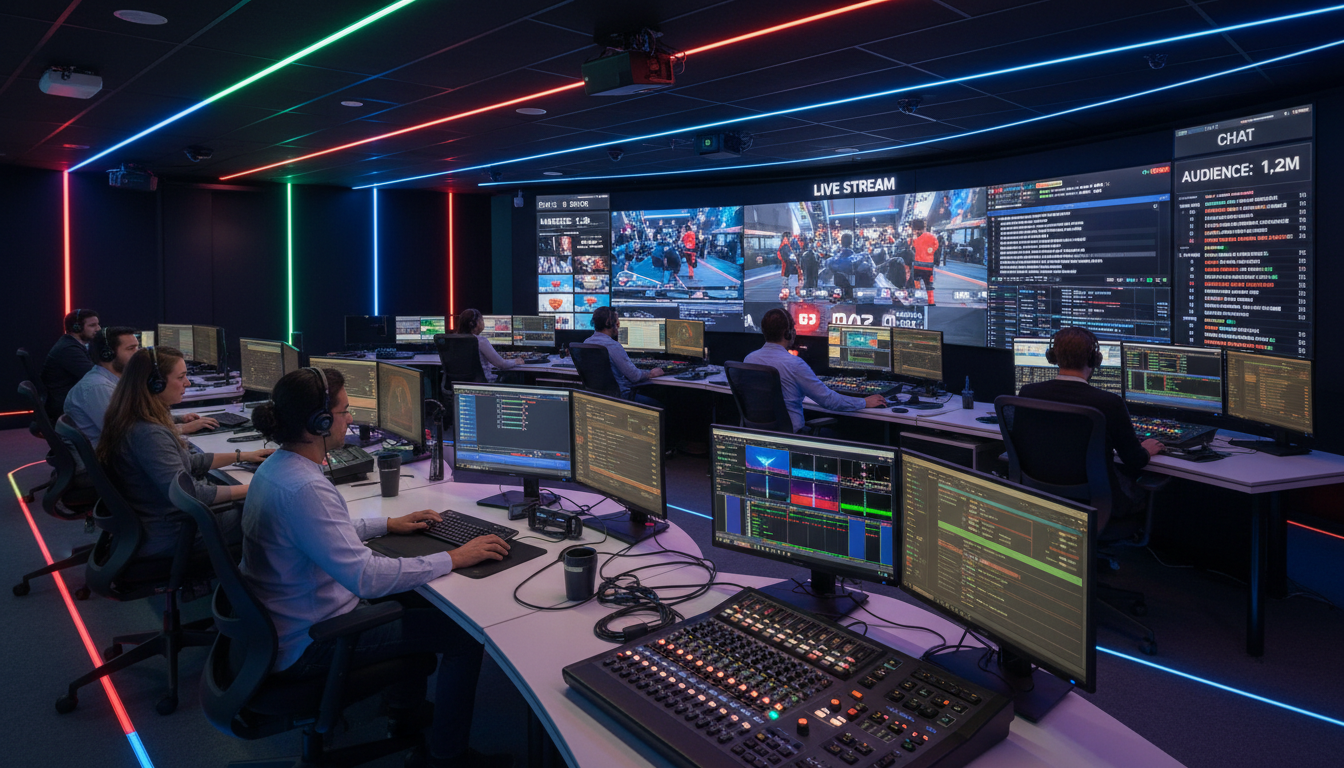
Concept Development
The first step in multimedia production is concept development. This involves brainstorming and researching to generate innovative ideas. It's essential to define the purpose of the project and identify the target audience. A well-thought-out concept sets the foundation for the entire production process.
Research and Planning
Once a concept is developed, thorough research and planning are required. This includes outlining the project's objectives, budget, timeline, and resources. A detailed plan helps streamline the production process and ensures that all team members are aligned with the project's goals.

Pre-Production
Pre-production is where the groundwork for the project is laid. This phase includes scriptwriting, storyboarding, and assembling the production team. It's also the stage where equipment is selected, and locations are scouted. Proper pre-production planning can significantly reduce challenges during the actual production phase.
Scriptwriting and Storyboarding
Scriptwriting involves crafting the narrative or dialogue for the project. Storyboarding, on the other hand, translates the script into visual frames, providing a blueprint for filming. Both are crucial for ensuring that the project has a coherent structure and visual flow.
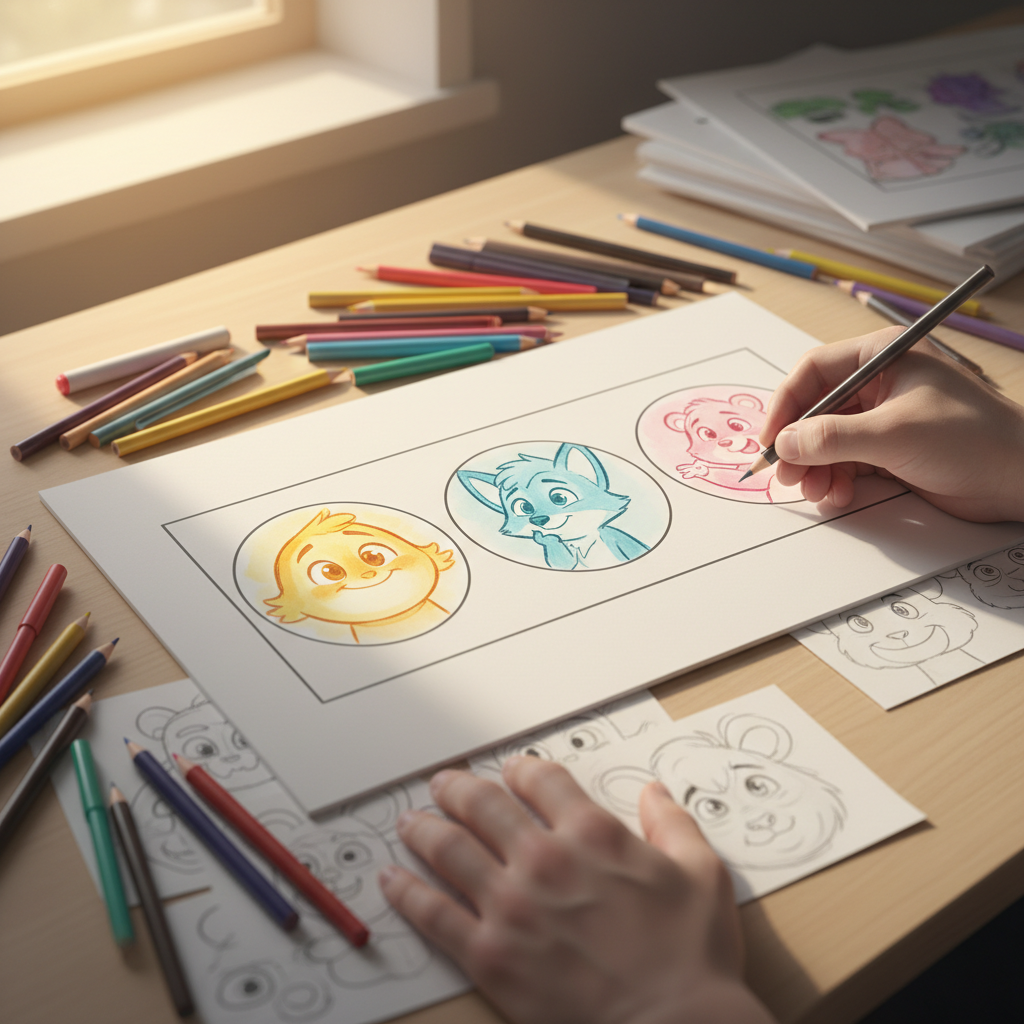
Production
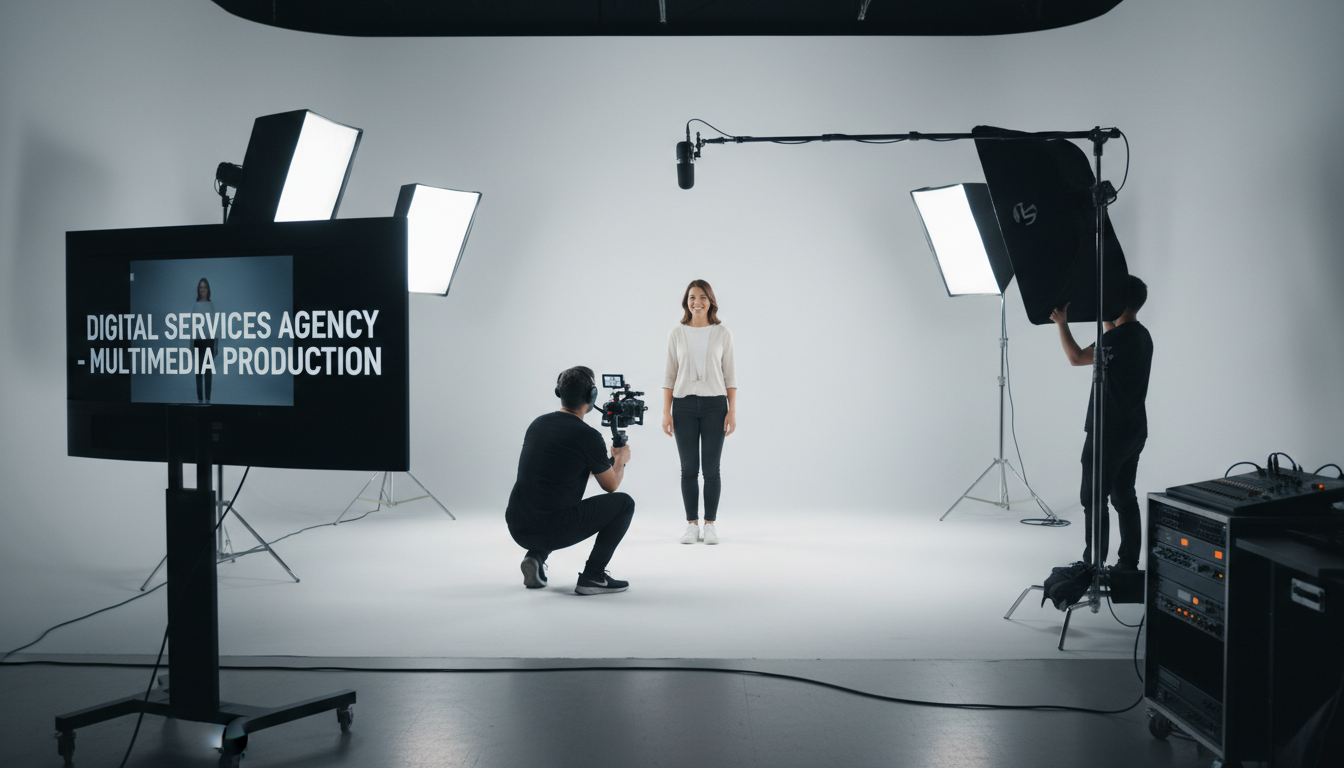
The production phase is where the actual creation of content occurs. This involves filming, recording audio, and capturing graphics. It's a collaborative effort that requires coordination between directors, camera operators, sound engineers, and other team members. Paying attention to detail during this stage can enhance the quality of the final product.
Shooting and Recording
During production, shooting and recording are critical components. Ensuring high-quality visuals and clear audio is essential for producing professional content. Utilizing the right equipment and techniques can make a significant difference in the outcome of the project.
Post-Production
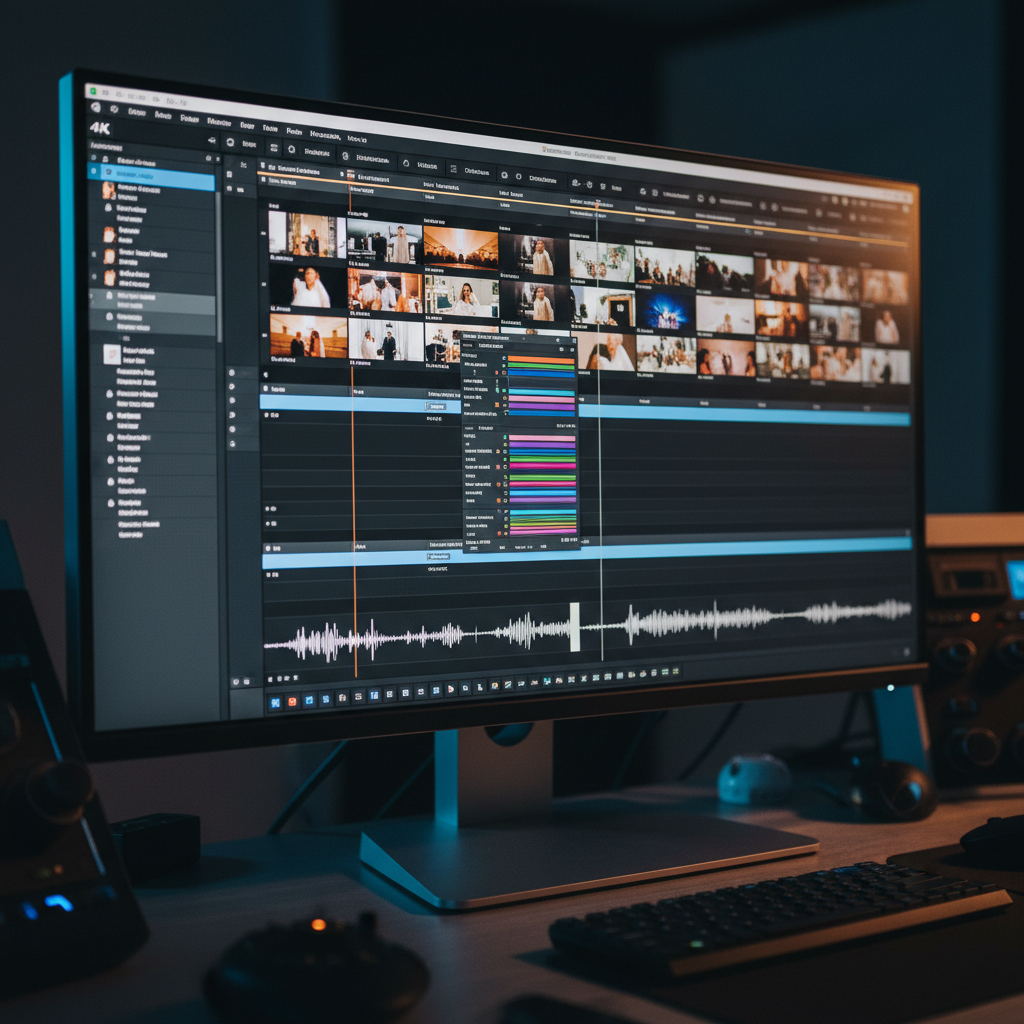
Post-production is where the project comes together. This phase includes editing, adding special effects, and mixing audio. It's an opportunity to polish the content and ensure it aligns with the initial vision. Effective post-production can elevate the impact of the final product.
Editing and Final Touches
Editing is a meticulous process that involves cutting and arranging footage, enhancing visuals, and synchronizing audio. Adding final touches like color correction and sound design can enhance the overall quality and appeal of the project.
Delivery and Distribution
The final step in multimedia production is delivery and distribution. This involves exporting the project in the required formats and delivering it to the intended platforms. Understanding the best practices for distribution can help maximize the reach and engagement of the content.
Choosing the Right Platforms
Choosing the right platforms for distribution is crucial. Whether it’s social media, streaming services, or traditional media, selecting the appropriate channels can significantly impact the success of the project. Tailoring content to fit each platform's specifications is also important for optimal presentation.

In conclusion, multimedia production is a multifaceted process that requires creativity, planning, and technical expertise. By following a structured approach from concept to delivery, creators can produce impactful content that resonates with audiences.